Explore the connections between living things and the environments they depend on. Learn how ecosystems function, how species interact, and how human activities affect the natural world. From biodiversity and habitats to conservation and environmental change, this category explains the relationships that shape life on Earth.
 Environment & Ecology
Why Coral Reefs Support So Much Life in So Little Space
IntroductionCoral reefs are among the planet’s most productive and diverse ecosystems. In a surprisingly small area of s...
 Environment & Ecology
How Tiny Soil Organisms Help Keep Ecosystems Running
IntroductionSoil may look like dirt, but it hosts an astonishingly rich world of tiny organisms—bacteria, fungi, protozo...
 Environment & Ecology
Why Riverbanks Are Hotspots for Biodiversity
IntroductionRiverbanks—edges where water meets land—support an unusually rich mix of life. These zones concentrate resou...
 Environment & Ecology
The Underwater Meadows That Support Entire Food Webs
IntroductionUnderwater meadows—commonly called seagrass beds—are flowering plants that grow in shallow coastal waters an...
 Environment & Ecology
Why Ponds Can Support an Astonishing Amount of Life
IntroductionPonds, even small backyard ponds, often teem with life: water beetles skimming the surface, frogs croaking a...
 Environment & Ecology
Why Tree Diversity Can Make Forests More Resilient
IntroductionTree diversity—the variety of tree species in a forest—affects how well forests function and respond to stre...
 Environment & Ecology
How Nighttime Pollinators Keep Ecosystems Working After Dark
IntroductionWhen the sun sets, many plants and animals that rely on daylight pause their activity, but ecosystems do not...
 Environment & Ecology
Why Some Forest Edges Are More Vulnerable Than Their Interiors
IntroductionForest edges—where a woodland meets open land or a human-made boundary—often look quite different from the d...
Environment & Ecology The Surprising Importance of Rotting Wood
IntroductionRotting wood might sound like waste or decay, but it plays essential roles in nature, culture, and even prac...
 Environment & Ecology
How Forests Create Their Own Microclimates
IntroductionForests do more than host trees and wildlife: they shape local weather and create distinct microclimates. A ...
 Environment & Ecology
Why Old-Growth Forests Are So Different From Younger Forests
IntroductionOld-growth forests—sometimes called primary or ancient forests—look and behave very differently from younger...
 Environment & Ecology
How Wetlands Help Clean Water Naturally
IntroductionWetlands are areas where water covers the soil or is present near the surface for part of the year. Beyond p...
Environment & Ecology How Herbivores Shape the Landscapes Around Them
IntroductionHerbivores—animals that eat plants—do more than fill ecological niches; they actively shape the structure, c...
 Environment & Ecology
Why Some Plants Thrive After a Fire
IntroductionWildfires and controlled burns leave landscapes blackened and bare, yet within weeks or months many plants a...
 Environment & Ecology
How Underground Fungi Help Connect Forest Ecosystems
IntroductionUnderground fungi — often invisible to the casual forest visitor — form vast, interconnected networks that p...
 Environment & Ecology
How Seed Dispersers Quietly Build Future Forests
IntroductionSeed dispersers are animals, wind, water, and other forces that move seeds away from their parent plants. By...
Environment & Ecology Why Some Animals Are Far More Important Than Their Numbers Suggest
IntroductionSome animals have outsized roles in ecosystems, human economies, and cultures despite being relatively few i...
 Environment & Ecology
The Animals That Move Nutrients Across Entire Landscapes
IntroductionAcross continents and ecosystems, animals move nutrients in ways that reshape soils, waterways, and the prod...
 Environment & Ecology
Why Seagrass Meadows Matter Far Beyond the Coast
IntroductionSeagrass meadows are underwater plant communities found in shallow coastal waters around the world. Far from...
 Environment & Ecology
What Happens When a Wetland Dries Out?
IntroductionWetlands are areas where water covers the soil or is present near the surface for part or all of the year. W...
 Environment & Ecology
Why Pollinators Matter Far Beyond Flowers
IntroductionPollinators — animals that transfer pollen between flowers — are often associated with pretty gardens and fr...
 Environment & Ecology
What Makes Estuaries Such Extraordinary Nurseries for Wildlife?
IntroductionEstuaries—where rivers meet the sea—are among the planet’s most productive and dynamic ecosystems. Serving a...
 Environment & Ecology
Why Nature Depends on Things Breaking Down
IntroductionAt first glance, decay, rot, and breakdowns look like waste or failure. In nature, however, decomposition is...
 Environment & Ecology
Why Some Plants Depend on Just a Few Animal Partners
IntroductionSome plants rely on just a few animal species to survive and reproduce. This article explains why that happe...
Environment & Ecology How Temporary Pools Become Crucial Wildlife Habitats
IntroductionTemporary pools—also called ephemeral, vernal, or seasonal pools—are water bodies that form for weeks to mon...
 Environment & Ecology
What Happens When a Keystone Species Disappears?
IntroductionKeystone species are organisms that play a disproportionately large role in the way an ecosystem functions. ...
 Environment & Ecology
The Hidden Ecological Power of Small Streams
IntroductionSmall streams—those narrow ribbons of flowing water threading through forests, fields, and towns—are far mor...
 Environment & Ecology
What Happens to Nature When Soil Becomes Compacted?
IntroductionSoil compaction happens when soil particles are pressed together, reducing pore space. This seemingly small ...
 Environment & Ecology
Why Healthy Soil Is Much More Than Just Dirt
IntroductionHealthy soil is much more than just dirt underfoot. It is a living, dynamic system that supports plants, sto...
 Environment & Ecology
How Forest Gaps Create New Opportunities for Life
IntroductionWhen a tree falls or a storm opens a hole in a forest canopy, it creates a forest gap: an area where sunligh...
 Environment & Ecology
The Hidden World Beneath a Forest Floor
IntroductionUnder the leaf litter and humus of a forest floor lies a dynamic, largely unseen world where soil, roots, fu...
 Environment & Ecology
How Earthworms Can Transform an Entire Ecosystem
IntroductionEarthworms are small, often overlooked animals that play a disproportionately large role in shaping soils, p...
 Environment & Ecology
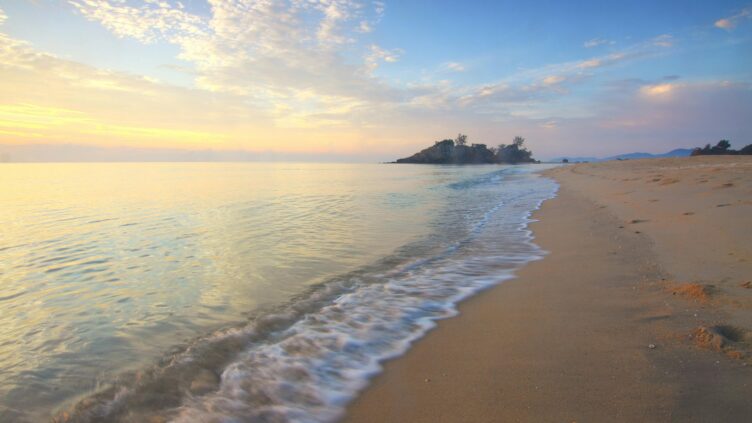
How Salt Marshes Survive Where Land Meets the Sea
IntroductionSalt marshes are coastal wetlands where the land meets the sea. These ecosystems endure regular flooding by ...
 Environment & Ecology
What Happens When Pollination Networks Begin to Break Down?
IntroductionPollination is the transfer of pollen from one flower to another, enabling plants to produce seeds and fruit...
 Environment & Ecology
How Ants Become Powerful Ecosystem Engineers
IntroductionAnts are tiny insects, yet they shape landscapes, influence soil chemistry, and affect plant and animal comm...
 Environment & Ecology
What Happens When a Forest Loses Its Largest Trees?
IntroductionLarge trees—sometimes called legacy, veteran, or canopy trees—play outsized roles in forest ecosystems. When...
 Environment & Ecology
The Unexpected Ways Predators Can Protect Ecosystems
IntroductionPredators are often thought of as dangerous or destructive, but they play many positive and sometimes surpri...
 Environment & Ecology
Why Some Soils Store More Carbon Than Others
IntroductionSoils store large amounts of carbon — more than the atmosphere and living plants combined in many landscapes...
 Environment & Ecology
How Soil Life Helps Plants Survive Difficult Conditions
IntroductionSoil is much more than dirt. A living web of organisms—from microscopic bacteria to visible earthworms—works...
 Environment & Ecology
What Makes a Forest Naturally Resistant to Invasion?
IntroductionForests vary widely in how easily they are invaded by non-native plants, animals, pathogens, and pests. Natu...