Introduction
Why do some coastlines rise in sheer, dramatic cliffs while others slope gently into broad sandy beaches? The difference comes down to a mix of geology, sea level changes, waves and currents, sediment supply, and time. This article explains the main causes and examples in straightforward terms so you can understand why coasts look so different around the world.
- Basic concepts: cliffs versus beaches
- Primary factors that determine coastal form
- How these factors combine: common coastal scenarios
- Human influence on cliffs and beaches
- Key processes explained in plain language
- Examples that illustrate the differences
- Practical consequences and human concerns
- How to tell why a particular shoreline looks the way it does
- Summary: why coasts differ
- Conclusion
Basic concepts: cliffs versus beaches
A cliff is a steep or vertical rock face formed where the land meets the sea. Cliffs expose bedrock or consolidated layers of sediment and are often the result of active erosion that undercuts and removes material at the shoreline.
A beach is a gently sloping zone of loose material — sand, pebbles, or shell fragments — that accumulates between the high- and low-tide lines. Beaches are built and maintained by the supply and redistribution of sediment by waves and currents.
Primary factors that determine coastal form
1. Rock type and coastal geology
Hard, resistant rocks such as granite, basalt, and well-cemented limestone tend to form steep cliffs because they withstand wave attack until individual blocks break off. Softer, weakly cemented rocks and unconsolidated sediments erode more easily and produce gentler slopes.
Bedrock structure matters too. Strong, vertical bedding, joints, or cliffs of volcanic rock resist erosion and produce tall faces. Where rock is layered, tilted, or heavily fractured, differential erosion can create ledges, caves, and stacks rather than a continuous beach.
2. Tectonic setting and land uplift or subsidence
Coastlines that are tectonically uplifted—where land is rising relative to sea level—often have wave-cut platforms and high cliffs because the land is lifted faster than sediment can fill the shore. Examples include parts of the Pacific Coast of North America and many active island arcs.
By contrast, coasts that are subsiding (sinking) or on passive continental margins tend to allow sediments to accumulate and form wide, low-lying beaches and barrier systems. The U.S. Atlantic coast is an example of a passive margin where broad coastal plains and extensive beaches are common.
3. Wave energy and wave type
Waves do the work of shaping shorelines. High-energy waves, which are typically long and powerful (common on open-ocean exposures and during storms), tend to erode coasts, plucking and abrading rock and creating cliffs and rocky platforms.
Low-energy wave environments—such as sheltered bays, estuaries, and coasts protected by offshore islands—allow sediments to settle and accumulate, producing broad sandy beaches and flats. The same coastline can shift between these states depending on seasonal changes and storm frequency.
4. Sediment supply and transport
Beaches exist where there is an abundant supply of suitable sediment (sand, gravel, shell pieces) and where coastal processes move and deposit that material alongshore. Major sources of sediment include rivers, eroding cliffs, and offshore deposits reworked by waves.
If sediment supply is cut off—by river damming, coastal armoring, or reduced cliff erosion—the beach can narrow or disappear, revealing the underlying bedrock and potentially exposing cliffs. Conversely, abundant sediment can bury rocky shores and create wide beaches.
5. Sea-level history and changes
Sea level has changed many times over geological time. When sea level rises quickly, former coastal plains can become drowned, producing wide estuaries and softer shorelines. When sea level falls or stabilizes and waves erode a shoreline over time, cliffs and terraces can form.
For example, during the last Ice Age, sea level was much lower, and rivers cut into continental shelves. When sea level rose after the ice melted, those drowned river valleys became estuaries while new wave action reworked sediments to form modern beaches. The timing and pace of sea-level change affect whether cliffs or beaches dominate.
How these factors combine: common coastal scenarios
Rocky, cliffed coasts
Typical setting: resistant bedrock, high wave energy, active uplift, limited sediment supply.
Mechanism: Waves strike the base of the rock and erode softer zones or widened joints. Over time, undercutting causes rockfalls and block collapse, maintaining a steep face. Wave-cut platforms often form at the base where rock has been ground flat by erosion.
Examples: The White Cliffs of Dover (chalk on a rising margin), parts of the west coasts of Scotland and Ireland, the Big Sur coastline in California, and many volcanic island coasts.
Wide, sandy beaches
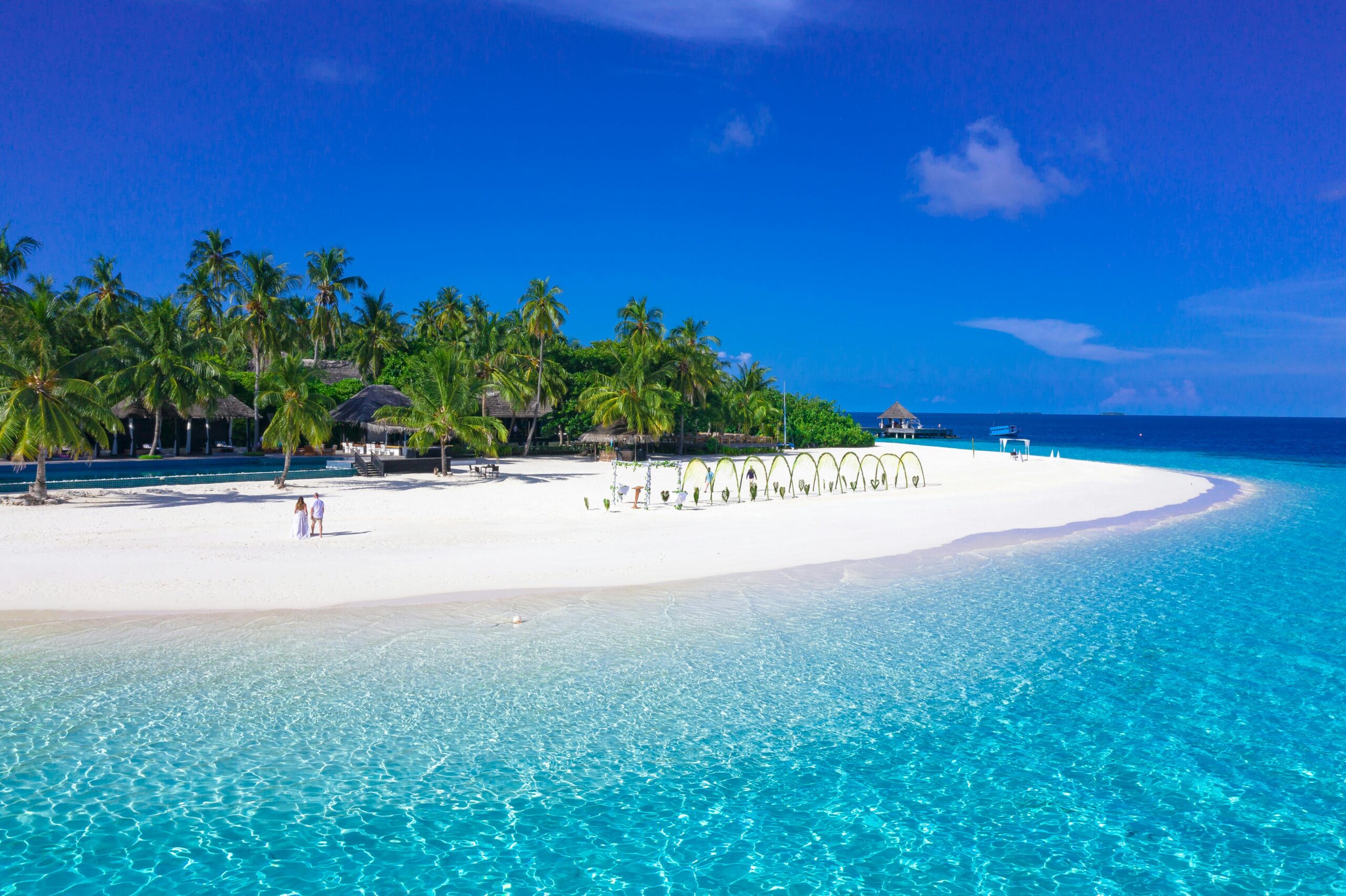
Typical setting: abundant sediment supply (rivers or longshore drift), low to moderate wave energy, gentle offshore slope, and stable or slowly changing sea level.
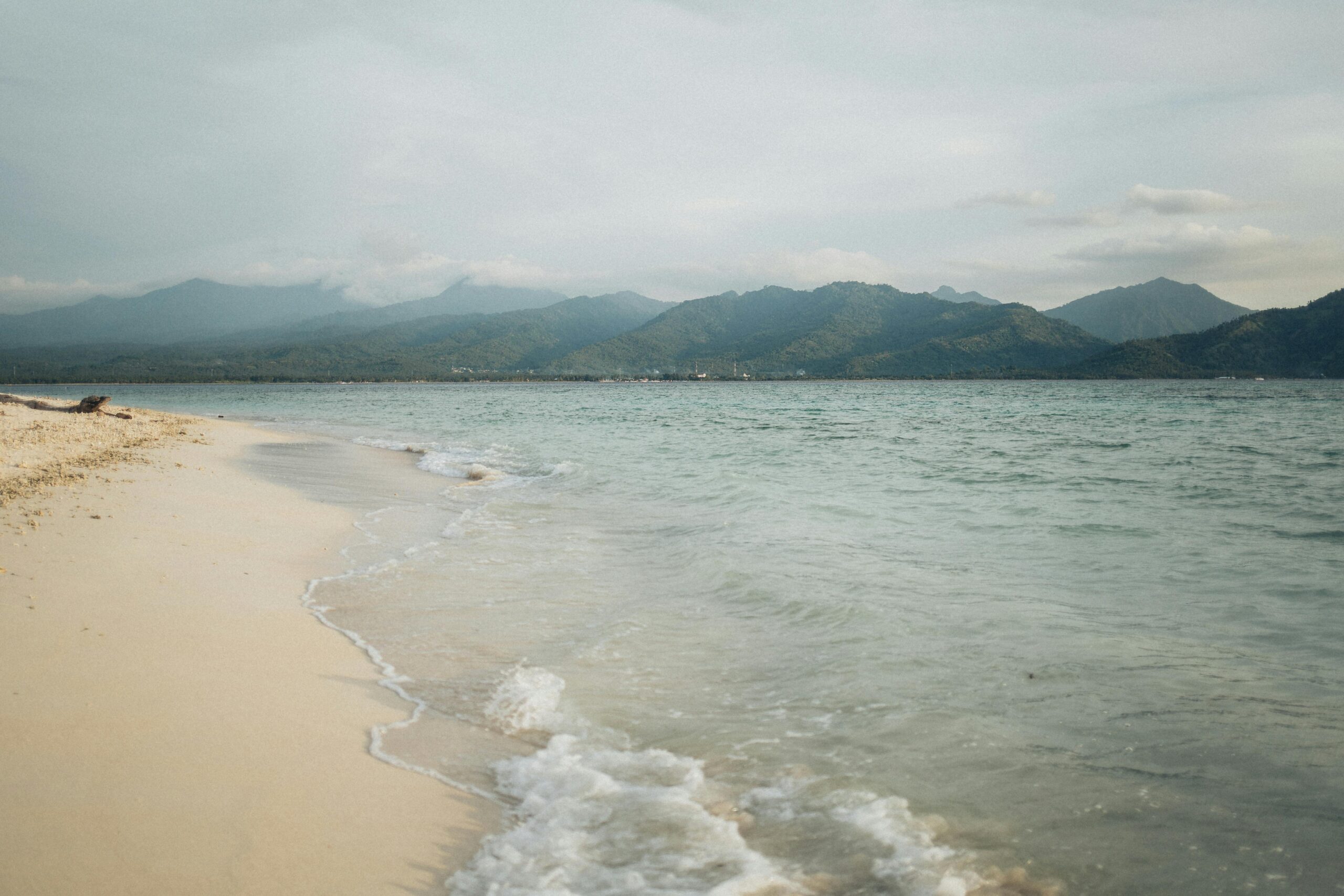
Mechanism: Waves and currents move sediment along the shore and deposit it in the surf zone. Sand accumulates over time, producing broad beaches, dunes, barrier islands, and spits that can shift with storms and seasons.
Examples: The eastern coasts of the United States, parts of eastern Australia, the North Sea coasts of the Netherlands and Denmark, and many tropical shorelines backed by coastal plains.
Mixed or transitional coasts
Many coastlines display both cliffs and beaches along different stretches, because geology and local processes vary even across short distances. A river mouth may feed a wide beach that sharply ends at a headland of resistant rock; headlands concentrate wave energy and remain rocky while bays between them collect sand.
Headland-bay systems are common on indented coasts: wave energy focuses on the headlands, producing cliffs, while energy is lower in adjacent bays where beaches form. This natural partitioning explains why dramatic cliffs often sit beside broad sandy coves.
Human influence on cliffs and beaches
Coastal engineering and sediment changes
Humans have substantially altered sediment supply and coastal dynamics. Dams trap river-borne sand and gravel, reducing the material that would otherwise feed beaches. Coastal structures like jetties and groynes trap sand and starve neighboring stretches of shoreline, which can lead to erosion and cliff exposure down-drift.
Seawalls, revetments, and other armoring protect property but prevent natural beach migration and cliff retreat, often causing beach narrowing or complete loss in front of armored sections. Alternatively, beach nourishment—importing sand—creates or widens beaches where they have shrunk, temporarily masking underlying cliffs or rocky shores.
Climate change and future trends
Sea-level rise increases the potential for erosion. Low-lying beaches and barrier islands are especially vulnerable to drowning and overwash as sea level rises and storms intensify. In places where coasts are retreating, cliffs can become more pronounced as the beach in front is stripped away.
However, how coastlines change locally depends on sediment availability, human interventions, and the rate of uplift or subsidence. Predicting specific outcomes requires local study, but increased erosion and shoreline change are widely expected in many regions.
Key processes explained in plain language
Wave erosion: how cliffs form
Waves pound the shore and pick up rock fragments. Over time, the base of a slope is scoured, forming a notch. When the notch gets too large, the unsupported upper rock falls away, and the cliff retreats inland. Chemical action (like seawater dissolving certain minerals) can speed this process on particular rock types.
Deposition: how beaches form
Sand and pebbles carried by rivers or eroded from other coasts are moved by waves and currents. Where the water slows—inside a bay, behind a spit, or along a gentle shoreline—the particles settle and build a beach. Wind can move this sand inland to form dunes, which provide extra sediment storage and protection.
Longshore drift and shaping of coastlines
Waves approach the shore at an angle, moving sediment along the beach in a zigzag pattern. This longshore transport redistributes sand, forming spits, bars, and extended beaches. Interruptions to this flow change where sand accumulates or erodes, altering whether a stretch of coast appears cliffed or sandy.
Examples that illustrate the differences
The Oregon coast (USA): a rugged, cliffed coastline where resistant volcanic and sedimentary rocks meet strong Pacific waves and local uplift. Beaches are typically narrow.
The Outer Banks (North Carolina, USA): a low-lying chain of barrier islands built from abundant coastal sands transported alongshore. The coast is dominated by wide beaches and shifting inlets.
The Algarve (Portugal): a mix of cliffs where limestone resists erosion and pockets of sandy beaches in sheltered bays and river mouths. Local rock joints and bedding create dramatic sea caves and stacks.
The Bay of Biscay (western Europe): sections have long sandy beaches supported by river sediment and wide continental shelves, while headlands of harder rock show cliffs where wave energy concentrates.
Practical consequences and human concerns
Coastal form affects where people build and how they protect infrastructure. Cliffs can be scenic but pose hazards from rockfall and retreat; their instability makes building close to the edge risky. Wide beaches provide recreation, buffering from storms, and habitat for wildlife, but they need healthy sediment supply to persist.
Managing coasts requires balancing natural dynamics with human needs. Soft solutions like managed retreat and dune restoration can allow beaches to adjust naturally, whereas hard defenses may protect property short-term while causing long-term beach loss elsewhere.
How to tell why a particular shoreline looks the way it does
Look at the rock type and slope behind the shore: solid, resistant rock and steep inland slopes suggest cliffs; low-lying plains and loose sediment suggest beaches.
Observe wave exposure: open-ocean exposures with long fetch usually have higher-energy waves and more erosion; sheltered bays and leeward coasts are more likely to collect sediment.
Check for nearby rivers and visible sources of sand: active river mouths and longshore sand supply favor beaches. Also note human structures and recent changes—seawalls, dams, and nourished beaches provide clues to human influence.
Summary: why coasts differ
The balance between erosion and deposition, controlled by rock type, tectonics, wave energy, sediment supply, and sea-level behavior, determines whether a coastline develops dramatic cliffs or broad beaches. Local variations in these factors explain why even short stretches of shoreline can display both features.
Conclusion
Coastal shape is the result of natural forces acting over time: hard rock and strong waves favor cliffs, while abundant sediment and gentler energy favor beaches. Human actions and changing sea level are altering these balances today, so many shorelines are evolving. Observing geology, wave exposure, and sediment sources gives a straightforward way to understand why a particular coast is steep or sandy.